
-
×
 New Yamaha F150JB 150hp Jet Drive Outboard Engine - Sale !!
2 × $6,099.00
New Yamaha F150JB 150hp Jet Drive Outboard Engine - Sale !!
2 × $6,099.00 -
×
New Yamaha 425hp White XTO Outboard Engine LXF425ESB2 - Sale !!
1 × $10,450.00
-
×
New Yamaha F115JB 115hp Jet Drive Outboard Engine - Sale !!
1 × $3,840.00
-
×
New Yamaha F225XCA 225HP 4 Stroke Extra Long Shaft Outboard Engine - Sale !!
1 × $7,345.00
-
×
New Yamaha LF200XA (3.3L) 200HP 4 Stroke Extra Long Shaft Outboard Engine - Sale !!
1 × $7,225.00
-
×
New Yamaha High Thrust T50LB 50HP 4 Stroke Long Shaft Outboard Engine - Sale !!
1 × $1,900.00
-
×
New Yamaha F115XB 115HP 4 Stroke Extra Long Shaft Outboard Engine - Sale !!
1 × $2,917.00
-
×
New Yamaha F30 30HP 4 Stroke Outboard Engine - Sale !!
1 × $1,800.00
-
×
New Yamaha F90 90HP 4 Stroke Long Shaft Outboard Engine - Sale !!
1 × $4,985.00
Inboard Boat Engines for Sale: Cheap Powerful Marine Propulsion
Inboard boat engines for sale offer reliable power for a wide range of vessels. These engines sit inside the hull, providing better weight distribution and fuel efficiency. Inboard systems are ideal for cruisers, trawlers, and commercial boats. They deliver exceptional torque and long-range cruising capability. Explore premium options in our complete Inboard Engines collection.
Inboard Diesel Engines
New Mercury 150 HP Sterndrive 3.0L Inboard Diesel Engine – Sale !!
Original price was: $4,225.00.$3,999.00Current price is: $3,999.00.
Inboard Diesel Engines
New Mercury 150 TIER 3 152.1 HP 2.0L Inboard Diesel Engine – Sale !!
Original price was: $4,600.00.$4,235.00Current price is: $4,235.00.
Inboard Diesel Engines
New Mercury 170 TIER 3 172.4 HP 2.0L Inboard Diesel Engine – Sale !!
Original price was: $4,400.00.$4,250.00Current price is: $4,250.00.
Inboard Diesel Engines
Original price was: $4,500.00.$4,100.00Current price is: $4,100.00.
Inboard Diesel Engines
New Mercury 230 HP Sterndrive 3.0L Inboard Diesel Engine – Sale !!
Original price was: $5,600.00.$5,450.00Current price is: $5,450.00.
Inboard Gasoline Engines
Original price was: $5,750.00.$5,470.00Current price is: $5,470.00.
Inboard Diesel Engines
New Mercury 270 HP Sterndrive 3.0L Inboard Diesel Engine – Sale !!
Original price was: $7,590.00.$7,250.00Current price is: $7,250.00.
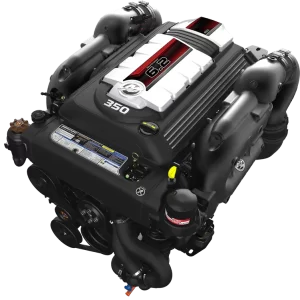
Inboard Gasoline Engines
Original price was: $8,390.00.$8,110.00Current price is: $8,110.00.
Inboard Gasoline Engines
Original price was: $8,980.00.$8,750.00Current price is: $8,750.00.
Inboard Gasoline Engines
New Mercury 380 HP 8.2 MAG ECT 8.2L Inboard Engine – Sale !!
Original price was: $8,450.00.$8,220.00Current price is: $8,220.00.
Inboard Gasoline Engines
New Mercury 430 HP 8.2 MAG H.O ECT 8.2L Inboard Engine – Sale !!
Original price was: $9,290.00.$9,100.00Current price is: $9,100.00.
Inboard Diesel Engines
New Mercury Diesel 115 HP 2.0L Inboard Diesel Engine – Sale !!
Original price was: $4,100.00.$3,860.00Current price is: $3,860.00.
Understanding Inboard Marine Engines
Inboard marine engines are permanent installations inside the hull. They connect to the propeller through a shaft passing through the hull. This design places the weight low and centered in the boat. It improves stability and handling in various sea conditions. These systems typically use diesel fuel for better efficiency and range.
When comparing inboard engine vs outboard, consider your boating style. Inboards offer better fuel economy for long-distance cruising. They provide more interior space by moving machinery centrally. Outboards excel in shallow water and easy maintenance. The choice depends entirely on your primary boating activities. For a detailed breakdown, read our blog post: Inboard vs Outboard: Choosing the Right Boat Motor for You.
Inboard Engines Types and Configurations
Types of Inboard Configurations
| Drive Type | Configuration | Best For |
|---|---|---|
| Direct Drive | Engine mounted near center, shaft runs straight to propeller | Traditional ski boats, wakeboard boats |
| V-Drive | Engine mounted aft, shaft angles forward then back | Larger cruisers, boats with aft cabins |
| Stern Drive | Engine inside, drive unit outside (I/O configuration) | Runabouts, family cruisers, trailered boats |
| Pod Drive | Advanced systems like Volvo IPS with steerable pods | High-end cruisers, yachts, luxury vessels |
| Jet Drive | Engine powers water jet instead of propeller | Shallow water, jet boats, personal watercraft |
Popular Engine Models by Brand
| Brand | Series/Model | Power Range | Common Application |
|---|---|---|---|
| Mercury MerCruiser | Axius | 350-380hp | Cruisers with joystick control |
| Volvo Penta | IPS | 300-900hp | Integrated pod systems |
| Yanmar Marine | 4JH series | 40-100hp | Sailboats, trawlers |
| Cummins Marine | QSB series | 220-550hp | Commercial vessels, cruisers |
| FNM Marine | 13HPE-80 | 80hp | Four-cylinder diesel with sail drive |
| YAMAHA | TR-1 HO | 230hp | Jet-drive runabouts |
For diesel inboard engines, leading manufacturers include Yanmar, Cummins, and Volvo Penta. Diesel offers better fuel economy and longer life than gasoline. It's the preferred choice for cruisers and commercial vessels. Explore our Mercury inboard selection and Yanmar diesel options.
New vs Used: Making Your Choice
| Consideration | New Engines | Used Engines |
|---|---|---|
| Purchase Price | $15,000 - $60,000+ | $5,000 - $25,000 (40-60% of new) |
| Warranty Coverage | 3-5 years manufacturer warranty | Limited or as-is; some certified pre-owned |
| Expected Hours | Gas: 1,500-2,000 / Diesel: 5,000-10,000 | Varies with prior maintenance |
| Technology Level | Latest electronics and fuel systems | Older technology; fewer modern features |
| Service History | None; new from factory | Requires thorough inspection |
| Installation Cost | $3,000 - $8,000 | May need additional parts |
| Ideal For | New builds, complete repowers | Budget-conscious upgrades, project boats |
When searching for used inboard boat engines for sale, consider age and maintenance history. Well-maintained 5-10 year old engines offer good value. Used marine engines for sale typically cost 40-60% of new prices. A complete 5.7 Marine Engine complete remanufactured unit costs $8,000-$12,000. 350 Marine engine Complete options range from $6,000-$15,000 depending on configuration.
For buyers seeking inboard boat engines for sale near me, we offer nationwide shipping. Remanufactured marine engines near me searches connect you with certified rebuilders. These rebuilt units include warranties and updated components. They provide new-engine reliability at used-engine prices. Complete drop in marine engines simplify replacement significantly.
Inboard Engine Pricing Guide
| Engine Category | Horsepower Range | New Price Range | Typical Application |
|---|---|---|---|
| Entry-Level | 50-150hp | $8,000 - $15,000 | Small cruisers, light recreational use |
| Mid-Range | 150-300hp | $15,000 - $30,000 | Mid-size cruisers, yachts |
| High-Performance | 300-600+hp | $30,000 - $50,000+ | Large yachts, commercial vessels |
For a complete breakdown of current pricing, installation costs, and long-term ownership expenses, read our detailed guide: How Much Does an Inboard Boat Engine Cost? (2026 Guide). This resource includes real product examples like the Yanmar 1GM10 9HP diesel engine and Mercury 150-170HP sterndrive options currently available.
Mercury pricing reflects their premium positioning. A new Mercury 350hp MerCruiser costs approximately $20,000-$25,000. Complete packages with drives add $5,000-$10,000. For comparison, an FNM 80hp diesel package with sail drive lists at approximately $27,000.
Understanding total cost requires considering installed price. Professional installation adds $2,000-$6,000 typically, as noted in our inboard engine cost guide. Controls, instruments, and rigging increase final costs. Factor these into your budget planning.
Diesel vs Gasoline: Key Differences
| Characteristic | Diesel | Gasoline |
|---|---|---|
| Initial Investment | Higher (20-40% more) | Lower upfront cost |
| Fuel Efficiency | 30-50% better economy | Higher fuel consumption |
| Service Life | 5,000-10,000 hours | 1,500-2,000 hours |
| Torque Delivery | Superior low-end torque | Good mid-range power |
| Maintenance Needs | More complex, specialized | Simpler, DIY-friendly |
| Weight Factor | Heavier per horsepower | Lighter per horsepower |
| Operation | More noticeable noise/vibration | Smoother, quieter |
| Best Application | Long-range cruisers, commercial | Day boats, weekend use |
For displacement hulls, diesel delivers superior torque. Fuel consumption runs 30-50% lower than equivalent gasoline engines. Gasoline models cost less initially but use more fuel. They suit lighter, faster boats and weekend use. Modern gasoline engines feature advanced fuel injection. Your choice depends on annual hours and boat type. For environmental standards, reference EPA marine engine regulations.
Installation and Professional Setup
Inboard engine installation requires specialized knowledge. Unlike outboards, inboards need precise alignment and mounting. The engine beds must be structurally sound and properly aligned. Shaft alignment within 0.003 inches is critical for longevity. According to Discover Boating, professional installation is essential for safety and warranty compliance.
For complete drop in marine engines, follow these steps:
- Remove old engine carefully, documenting all connections
- Inspect engine beds and mounting surfaces
- Position new engine with proper alignment tools
- Secure mounts and verify shaft alignment
- Connect cooling, fuel, and exhaust systems
- Install controls and instrumentation
- Perform sea trial and final adjustments
Professional installation costs $2,000-$6,000 typically, as detailed in our comprehensive cost guide. Many manufacturers require certified installation for warranty coverage.
Operation and Efficiency Features
Modern powerplants incorporate advanced technologies. Electronic controls provide precise throttle and shift response. Digital displays show comprehensive engine data. Joystick maneuvering systems like Mercury Axius simplify docking.
Small inboard engines for day boats emphasize simplicity and reliability. Larger systems integrate with onboard networks and monitoring. Key features include:
- Electronic fuel injection for optimal efficiency
- Engine monitoring with alarms and diagnostics
- Corrosion protection systems for saltwater
- Sound insulation for quieter operation
- Integrated cooling with heat exchangers
For operational guidance, consult the Coast Guard engine care resources.
Common Issues and Troubleshooting
Owners occasionally encounter operational challenges. Overheating often indicates cooling system problems. Check raw water intake, impeller, and thermostat first. Unusual noises may signal alignment or bearing issues.
Starting problems typically involve fuel or electrical systems. Verify battery condition and connections. Check fuel filters for water or contamination. Inspect injectors or carburetor for proper operation. Most issues are preventable with regular maintenance.
Professional diagnostics help with complex electronic problems. Many modern engines require specialized software for troubleshooting. Keep maintenance records to track patterns and prevent failures.
Mercury vs Yanmar: Brand Comparison
| Factor | Mercury | Yanmar |
|---|---|---|
| Primary Focus | Gasoline stern drive market | Compact diesel technology |
| Power Range | 50-430hp (gasoline dominant) | 40-200hp (diesel focused) |
| Service Network | Extensive US coverage | Global coastal support |
| Typical Boats | Powerboats, runabouts, cruisers | Sailboats, trawlers, small cruisers |
| Engine Longevity | 1,500-2,000 hours | 5,000-10,000 hours |
| Fuel Type | Gasoline primary, diesel available | Diesel only |
| Price Positioning | Competitive mid-range | Premium diesel pricing |
Key differences between these leading manufacturers:
- Mercury: Gasoline focus, higher power-to-weight, extensive US network, ideal for recreational powerboats
- Yanmar: Diesel expertise, longer service life, global cruising support, perfect for long-distance cruisers
Your choice depends on boat type and cruising plans. Both offer exceptional quality with different strengths.
Maintenance Requirements and Schedules
What is the average life of an inboard boat motor? Gasoline models typically last 1,500-2,000 hours. Diesel units often reach 5,000-10,000 hours with proper care. What is the life expectancy of an inboard engine? With maintenance, 20-30 years for recreational use is common.
Essential maintenance tasks include:
- Oil and filter change every 100 hours or annually
- Cooling system service including impeller every 2-3 years
- Fuel filter replacement every 200 hours
- Valve adjustment per manufacturer schedule
- Heat exchanger cleaning and zinc replacement annually
- Exhaust system inspection for corrosion
- Alignment check every 2-3 years
Annual maintenance costs $500-$1,500 depending on engine size. Professional service ensures proper procedures and documentation. For professional standards, consult NMEA technical guidelines.
Leading Manufacturers Comparison
Top manufacturers include global leaders with proven reputations. The best inboard engines for reliability often come from established names. Here are brands to consider:
| Brand | Origin | Specialty | Best Application |
|---|---|---|---|
| Volvo Penta | Sweden | IPS pod systems, diesel | Yachts, cruisers |
| Mercury | USA | Gasoline stern drives | Powerboats, runabouts |
| Yanmar | Japan | Compact diesel | Sailboats, trawlers |
| Cummins | USA | Commercial diesel | Commercial vessels |
| MAN | Germany | Large diesel | Large yachts |
| Perkins | UK | Workboat diesel | Commercial, workboats |
| John Deere | USA | Marinized diesel | Trawlers, commercial |
What is the most reliable marine engine brand? Yanmar and Volvo Penta consistently rank highest in surveys. What is the most reliable boat engine brand? Both offer exceptional reliability with proper maintenance. Your choice should prioritize local support availability. Compare options across our inboard engine collection.
Inboard vs Outboard: Cost Comparison
| Factor | Inboard | Outboard |
|---|---|---|
| Purchase Price | $8,000 - $50,000+ | $5,000 - $40,000 |
| Installation | Complex ($2,000-$6,000) | Simple ($500-$2,000) |
| Lifespan | Longer (1,500-10,000 hours) | Shorter (1,000-3,000 hours) |
| Performance | Smooth & powerful | Lightweight & versatile |
Inboards suit larger boats, yachts, and commercial vessels where smooth performance matters. Outboards are often preferred for smaller recreational boats due to lower cost and easier maintenance.
For a detailed comparison including cost breakdowns and real-world examples, read our blog post: Inboard vs Outboard: Choosing the Right Boat Motor for You.
Value and Purchase Considerations
How much does a new inboard motor cost? Complete packages range from $8,000-$50,000+. Entry-level options start around $8,000-$15,000. Mid-range choices run $15,000-$30,000. High-performance commercial models exceed $50,000. For specific model pricing and current deals, check our inboard engine price guide featuring actual products like the Yanmar 1GM10 9HP diesel and Mercury 150HP sterndrive.
Inboard motors for sale include new, used, and remanufactured options. Used units typically cost 30-50% less than new equivalents. Best inboard boat engines balance cost, reliability, and support availability.
Consider these factors when purchasing:
- Warranty coverage (3-5 years typical for new)
- Parts availability in your cruising area
- Certified service technician access
- Fuel type and consumption (diesel vs gasoline)
- Weight and boat compatibility
- Installation costs ($2,000-$6,000)
Our experts help match powerplants to your specific boat and budget. We provide guidance on all leading brands and configurations.
Your Inboard Engine Specialist
We understand marine propulsion thoroughly. Our team specializes in both gasoline and diesel systems. We match powerplants to your specific vessel and cruising plans. Every purchase includes comprehensive installation guidance. You receive genuine products with full manufacturer support.
To find inboard boat engines for sale that fit your needs, visit MarineShopOnline. Explore our complete inboard engine collection. Compare Mercury and Yanmar options. Discover why boaters trust our expertise for their propulsion needs.
Inboard Engines FAQ
What is an inboard engine?
An inboard engine is permanently mounted inside the boat hull. It connects to the propeller through a shaft. This design centers weight for better stability and handling.
How much does a new inboard motor cost?
New units cost $8,000-$60,000+ depending on power. Entry-level models start around $8,000-$15,000. Installation adds $2,000-$6,000 to total cost.
What is the life expectancy of an inboard engine?
Gasoline versions last 1,500-2,000 hours typically. Diesel models often reach 5,000-10,000 hours. With proper maintenance, 20-30 years is common for recreational use.
What is the most reliable marine engine?
Yanmar and Volvo Penta consistently rank highest for reliability. Cummins and John Deere also offer exceptional durability. Choose based on local support availability.
What is better, Mercruiser or Volvo Penta?
Mercruiser offers extensive US dealer support and parts availability. Volvo Penta provides advanced pod drive technology. Your choice depends on local service access.
Why 9.9 hp instead of 10 hp?
9.9 hp engines often qualify for lower registration fees and regulations. Many lakes restrict engines over 10 hp. Manufacturers offer 9.9 versions for these restricted waters.
What is the average life of an inboard boat motor?
With proper maintenance, 20-30 years is common for recreational boats. Gasoline models average 1,500-2,000 hours. Diesel models often exceed 5,000 hours.
What is the most reliable boat engine brand?
Yanmar and Volvo Penta lead reliability surveys consistently. Cummins excels in commercial applications. Mercury dominates the gasoline stern drive market.
Can I maintain an inboard engine myself?
Yes, basic maintenance like oil changes is DIY-friendly. Complex tasks need professional expertise. Annual professional service ensures warranty compliance.
Why buy inboard engines from MarineShopOnline?
We provide expert guidance on marine propulsion systems. Our team ensures proper engine matching for your boat. You receive genuine products with full manufacturer support.